Cravetheclick
Navigating Mature Anime: Themes, Craft, and Community in Adult Anime
An in-depth look at adult anime, exploring artistic styles, storytelling nuances, and responsible viewership within the hentai and ecchi subgenres.
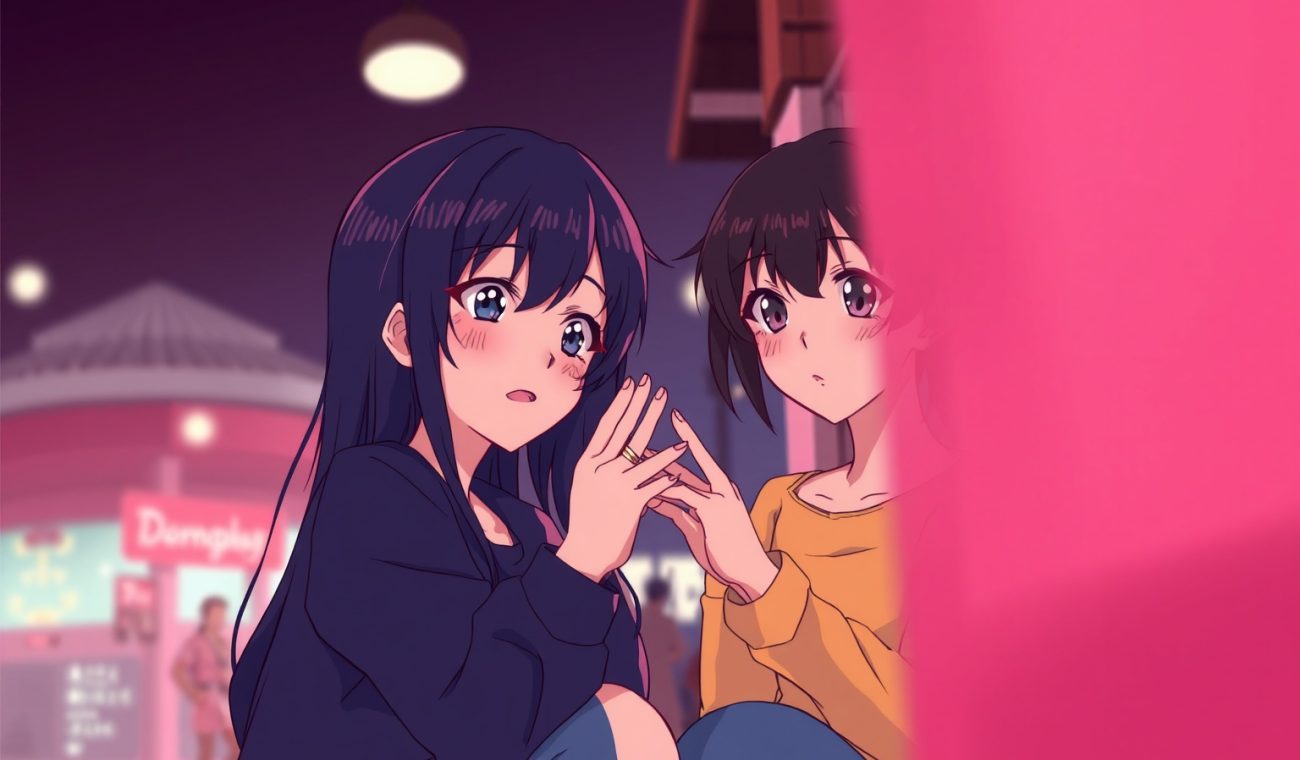
Opening mood and context for adult anime
Adult anime has evolved from niche magazines to a diverse spectrum that includes hentai, ecchi, and more thoughtful NSFW explorations within mainstream distribution. As audiences expand, creators push boundaries while balancing consent, artistry, and storytelling. Read Raw Hitomi offers a vivid example of how doujin and official releases can shape perception, making it essential to understand the landscape and its evolving norms.
Fans approach adult anime with varied expectations: some seek explicit reciprocity in character dynamics, others crave subtle boundary-pushing symbolism, and a third group looks for high production value alongside mature narratives. This section sets a foundation by acknowledging the spectrum—from hentai-driven fetishes to ecchi humor and more nuanced NSFW storytelling—without slipping into sensationalism.
Crafting atmosphere: art direction and pacing in mature works
In mature anime, visual design often serves as a narrative partner, using color palettes, lighting, and character silhouettes to indicate mood and consent. Animators balance explicit content with atmospheric restraint, ensuring scenes carry emotional weight rather than mere function. This approach rewards attentive viewers who read gestures, glances, and subtext as part of the storytelling fabric.
Sound design and pacing reinforce the adult tone by modulating tempo and texture: extended silences can heighten anticipation, while carefully chosen motifs echo themes across episodes. When done well, the art direction supports a sense of intimacy and agency, inviting viewers to engage with adult anime as a crafted experience rather than a catalog of explicit moments.
Character depth in hentai and ecchi: consent, motivation, and growth
Character depth in mature anime hinges on clear motivations and respectful portrayals even within explicit contexts. Writers often explore power dynamics, vulnerability, and consent through thoughtful dialogue and decision-making moments that reveal inner lives beyond physical attraction. This nuance helps transform scenes into meaningful exchanges rather than pure spectacle.
As narratives unfold, protagonists and antagonists confront consequences, boundaries, and personal growth, which challenges viewers to consider ethics and empathy inside adult settings. The best works treat sexuality as one facet of identity, weaving it with humor, conflict, and loyalty to create multi-dimensional arcs that endure beyond unfiltered scenes.
World-building and lore in adult anime: myth, culture, and fantasy
World-building in mature titles often blends fantasy, cultural motifs, and adult stakes to create immersive realms where erotic elements complement a larger plot. Designers borrow mythic archetypes, magic systems, and jurisdictional rules to frame intimate encounters as consequences of power, reputation, or quest-driven goals. This layering yields a sense of purpose rather than random tableaux.
The setting choices—whether futuristic dystopias, rural fantasies, or parallel universes—shape character behavior and audience expectations. When lore matters, adult anime can explore controversial topics with a careful balance of imagination and responsibility, inviting viewers to engage with the world as a coherent whole rather than isolated scenes.
Industry dynamics: distribution, legality, and audience responsibility
Given the explicit nature of hentai and related genres, distribution platforms navigate legal frameworks and regional standards while trying to maintain artist autonomy. Creators rely on clear ratings, content warnings, and opt-in accessibility to protect viewers who may be exploring mature material for the first time. This ecosystem rewards transparency and consent in both production and consumption.
Audience responsibility includes recognizing personal boundaries, supporting consent-forward works, and avoiding content that exploits real-world harm. Communities often emphasize critical viewing, discussing art direction, script quality, and character portrayal to foster a respectful culture where mature content can be analyzed without normalization of harmful tropes.
Media literacy in NSFW anime: recognizing tropes and subtext
Media literacy becomes crucial when encountering adult anime, as viewers decode fetish codes, power dynamics, and gender representations. Probing questions—such as how consent is depicted, whether scenes advance character goals, and which narratives rely on shock value—encourage a healthier intake of content. Thoughtful criticism helps distinguish craft from gratuitous content.
Intellectual engagement also involves examining genre boundaries: hentai, ecchi, and nsfw elements coexist with romance, comedy, or drama. By analyzing subtext, you can appreciate the artistry while remaining mindful of potential harm, ensuring that engagement supports ethical consumption and ongoing dialogue about adult media.
Community and fan culture: discourse, fan work, and responsible fandom
Fan communities around adult anime often share recommendations, interpretations, and fan art that deepen appreciation for the medium. Moderation and clear guidelines help keep discussions respectful, focusing on craft, storytelling, and character perspectives rather than harassment or sensationalism. Responsible fandom values consent, inclusivity, and critical commentary.
Creative fans contribute thoughtful analyses through essays, reviews, and fan fiction that explore how adult content intersects with romance, ethics, and personal identity. This collaborative culture can broaden understanding of hentai and ecchi, offering diverse viewpoints while maintaining standards that prevent normalizing harmful depictions.
Texture through examples and frameworks
- Scene construction: how an explicit moment serves character motivation and arc progression.
- Ethical framing: dialogue and choices that emphasize consent and dignity.
- Comparative tropes: identifying traditional motifs and how modern works subvert them.