Cravetheclick
How Air Quality Data Can Guide Smarter Laser Engraver Fume Extractor Choices
Introduction: A workshop moment, a reading that changed my setup
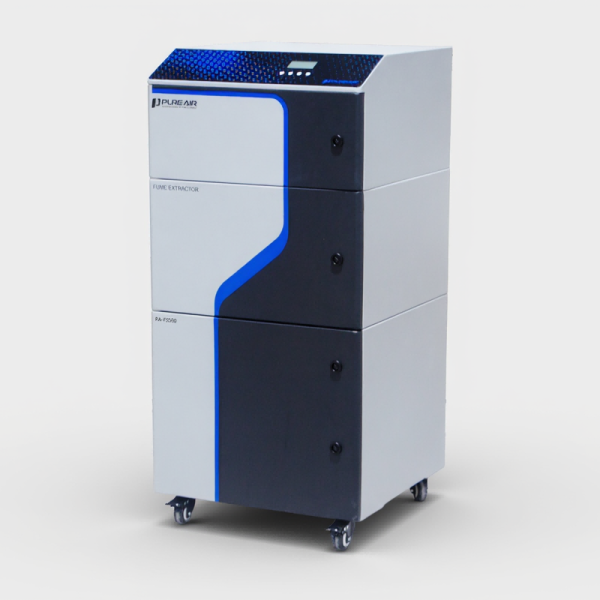
I once stood over a freshly cut sheet of birch and watched the smoke curl up like a small gray flag — and I realized I didn’t really know what my machine was putting into the air. In that moment I started tracking numbers: particle counts, odor spikes, and run times. The need for a reliable laser engraver fume extractor became obvious fast (and yes, I felt a little foolish for waiting).
When I say laser engraver fume extractor, I mean the tool that sits by the machine, pulls contaminated air, and treats it with filters and cleaning tech. I started logging CFM changes, when a HEPA filter struggled, and how VOC sensors reacted to different materials. That little data trail prompted a question: how can simple measurements help us choose the right extractor for our shop and protect our health and work quality?
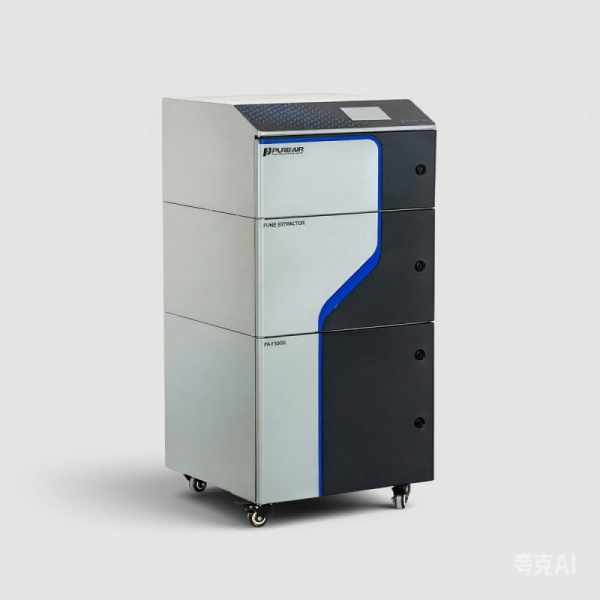 I’ll walk through what I learned — why data matters, what’s often missed, and how you can make choices that actually match your use. Ready? Let’s break it down and get practical.
Why many "fixes" miss the mark — the hidden flaws in common setups
What’s really failing?
laser engraver smoke purifier is often sold as the quick answer: buy this, and your air is safe. But in my experience, the problem runs deeper. A lot of systems rely too heavily on one component — a HEPA filter — and forget about how the whole system behaves. Airflow (CFM), correct ducting, and pre-filters matter. Particle sensors can lie if they’re placed in the wrong spot. I’ve seen shops where the fan speed controller was set too low, so the extractor barely moved air. Look, it’s simpler than you think: one good filter doesn’t fix poor design.
Technically speaking, some common flaws: inadequate intake placement, mismatched CFM to enclosure size, and no activated carbon stage for gases. Those are not sexy problems, but they’re why you can still smell smoke even after a filter change. I also noticed that people forget maintenance cadence — filters clog, and the unit’s performance drops. When systems include VOC sensors and particle sensors, they’re helpful only if you calibrate and act on their readings. The real pain? Time and trust. You feel you’re protected, but the data says otherwise — and that’s frustrating.
Looking forward: new principles and checks for choosing the right system
What to watch next
Moving from "I hope this works" to "I know this works" means adopting a few new principles. First, match CFM to your enclosure and material load. Second, expect a multi-stage approach: pre-filter, HEPA, and activated carbon for gases. Third, integrate real-time particle sensors and occasional CO/VOC checks. When I tested a modern laser engraver smoke purifier, the difference was obvious: faster removal of visible smoke and measurable drops in VOC spikes — but only when ducting and placement were right.
Here are three evaluation metrics I now use when comparing systems: 1) Effective CFM relative to work volume, 2) Filter stages (mechanical + chemical), and 3) Sensor integration with actionable alarms. Use those, and you cut through marketing claims quickly. Also—funny how that works, right?—user habit matters. Turn the extractor on before cutting. Keep spare filters. Log simple readings once a week. Over time, small habits beat flashy specs.
To sum up: collect a few numbers, judge systems by how they perform in your real environment, and be wary of single-point fixes. I’ve seen good units and poor setups. Don’t buy the showpiece; buy the whole solution. For reliable products and clearer guidance, I look to makers like PURE-AIR. They don’t sell magic — just designs that think through the whole airflow path, and that matters to me and my shop.