Cravetheclick
Quick-Set Porch Tents: Flash Pitch, Front-Porch Vibes
Setup hustle — why speed matters
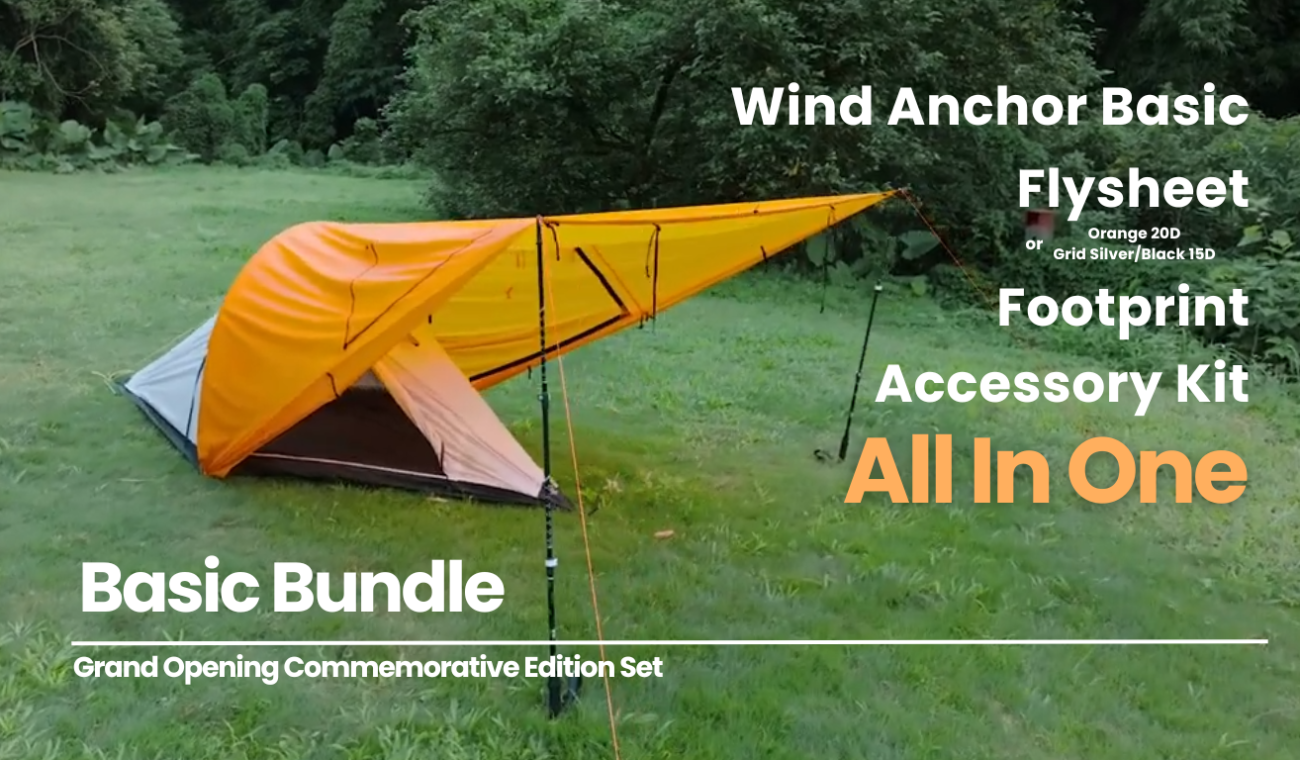
Yo, when the storm rolls or the sun’s dipping and the whole crew’s hungry, slow tent setups straight kill the vibe. Problem-driven truth: long pole assemblies, tangled lines, and soggy ground eat time and patience. You want a spot that pops up fast and gives you a real hang zone — that front-porch flex where you stash boots, brew coffee, and chill while rain taps the fly. A tent with front porch cuts the setup drama and keeps the squad ready to move or mellow, no cap.
What actually breaks campsite flow
Weather flips, bad stake jobs, and unclear layout mess up momentum. Problem-driven lens: if the tent’s design demands fiddly poles or precise staging, you waste daylight. Front-porch tents that need extra attachments or a separate awning multiply mistakes — mis-threaded poles, skipped guy-lines, flapping seams. Fix the root: tools and features that simplify one-step pitching, clear anchor points, and a porch that’s built-in, not an afterthought.
 Real-world anchor — where this matters
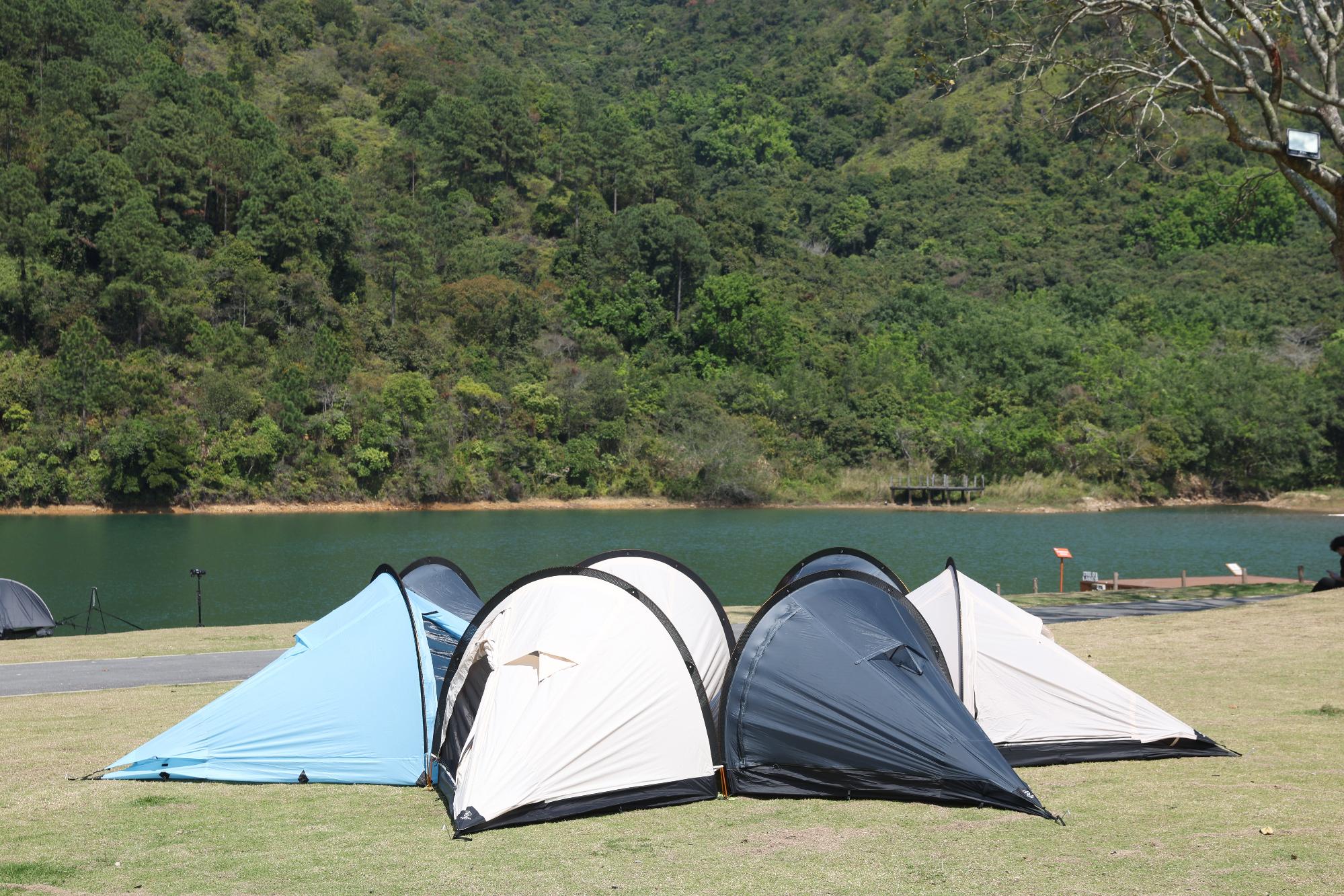
I’ve watched guides and weekend crews hustle through set-up at camps from Yosemite trailheads to weekend state-park loops; the sites that stay tidy and livable use shelters with a proper sheltered entry. That’s why the idea of a camping tent with front porch matters beyond hype — it’s a practical shift you see at busy trailheads and ranger-led group camps where quick, organized pitches keep gear dry and people happy.
Alternatives compared — what wins and what stalls
Pop-ups: instant but flimsy for wind and zero porch space. Pole-together family tents: roomy but slow to raise and a pain when wind’s howling. Hub-style fast-sets: balance speed and strength, usually with decent vestibules. Problem-driven pick: choose a fast-pitch hub or quick-set frame that locks in structural integrity AND includes an integrated porch or vestibule — you get speed plus useful outdoor living space instead of a muddy entrance or a taped-on awning.
Common setup mistakes to ditch
One: pitching directly on slope — porch water-slide incoming. Two: under-staking the porch corners — the “porch” turns into a sail. Three: skipping seam seal where the porch meets fly — leaks show up at first rain. Four: treating the porch like storage for wet gear without proper airflow — heavy condensation follows. Solve these quick: pick level ground, hammer stakes with intent, run guy-lines tight, and give the porch breath so gear dries while you kick back.
Why this solves the problem
Problem-driven logic closes here: speed matters, but speed that sacrifices shelter or organization ain’t worth it. A fast-setup tent that already factors in a sturdy front porch fixes the top failure points — faster pitch, cleaner entry, dry gear, and a social spot for coffee and cards. That combo turns setup time into chill time, and you end up actually enjoying the campsite instead of wrestling with it. That’s the shift I keep recommending to crews and guides who want less hassle and more time outside with real comfort, just like the design leaning behind THECATAL.